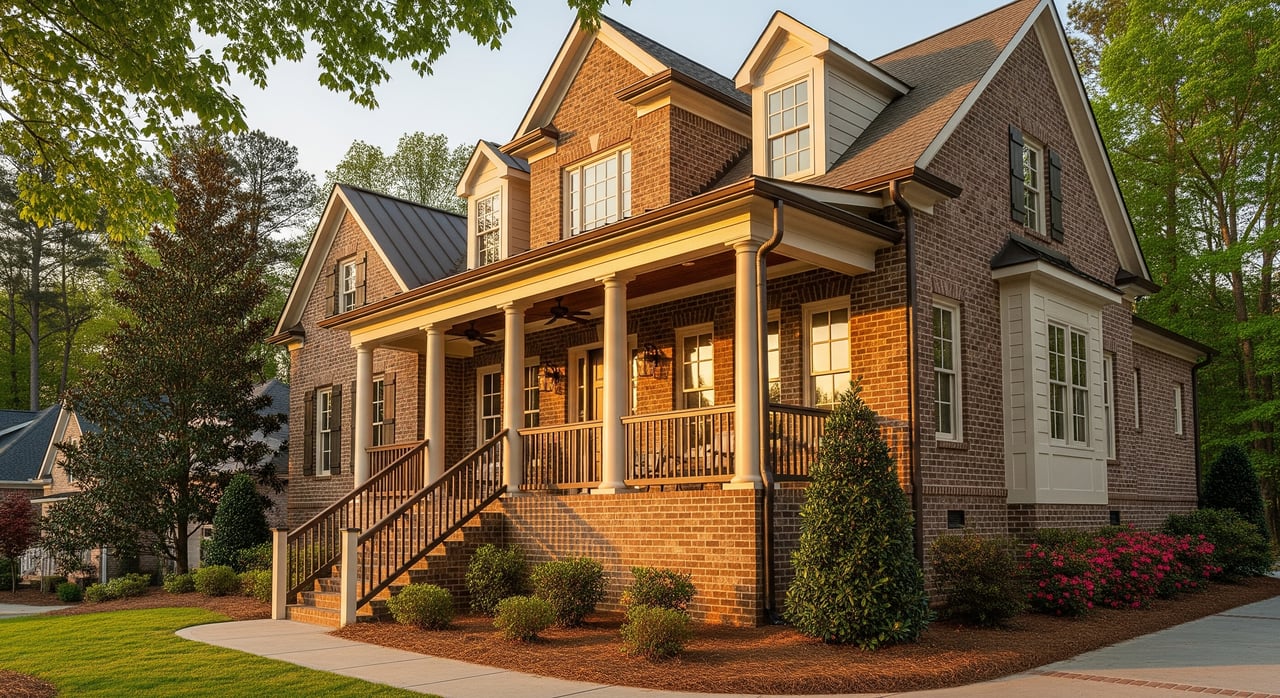
Kennesaw Code Enforcement Guide for Savvy Homeowners
October 16, 2025
October 16, 2025
Planning a deck or finishing your basement in Kennesaw? The fastest way to derail a project is skipping the permits or missing a rule you didn’t know existed. You want a smooth build, no fines, and a home that appraisers and buyers trust. This guide shows you exactly who regulates what, which projects need permits, how inspections work, special rules in historic areas, and what to do first. Let’s dive in.
If your address is inside Kennesaw city limits, permits and inspections go through the City of Kennesaw’s Building Services office. You can review requirements and access the portal from the city’s Building Services page. For properties outside city limits in unincorporated Cobb County, permitting is handled by Cobb County Community Development.
Kennesaw enforces the Georgia State Minimum Standard Codes with local administration. The city lists the 2018 IBC and IRC, 2018 mechanical, plumbing and energy codes, the 2023 NEC, and related property maintenance codes. The city also notes a 2025 amendment to the 2018 IBC effective January 1, 2025. Always confirm which editions apply to your specific project with Building Services.
Many homeowner projects need plans, site review, and inspections before you start. You can apply and schedule online via the city’s iWorQ portal.
Start your submittal at the Kennesaw iWorQ portal. For nuanced items like reroofing or window replacement, the city’s general rule is that work altering regulated systems requires a permit. When in doubt, verify on the Kennesaw FAQs.
Kennesaw and Cobb County allow homeowner permits in certain cases for owner-occupied primary residences. Restrictions apply, and if a contractor is doing the work, the contractor must pull the permit. Both jurisdictions use homeowner affidavits and may require consultations for major work. If you live in unincorporated areas, review Cobb’s process on the residential permitting page.
Most projects follow a simple path: apply online, upload plans and site plans, pay fees, then schedule inspections at key stages.
Permits can expire if work stalls. Cobb County requires a passing inspection every 60 days and cites a 180-day ultimate expiration, which is a good benchmark for scheduling. Confirm exact expiration and extension policies with Kennesaw for city projects. Fee schedules are published by the city and county and are updated periodically, so check the latest before you apply.
Georgia regulates many contractors at the state level. For work that requires a licensed contractor, ask for copies of the state license, local business license, general liability coverage, and workers’ compensation where applicable. You can verify license status through the Georgia Secretary of State licensing board.
If your home is within a Kennesaw historic district, you must obtain a Certificate of Appropriateness before you apply for building permits. Permit applications without an approved COA will be denied. Start with the city’s Planning and Historic Preservation resources for guidelines and the application process: Kennesaw Planning & Zoning.
Kennesaw adopted a short-term rental licensing framework in July 2025. The ordinance limits licenses to certain zones, establishes a 250-foot buffer between licensed STRs, sets a citywide cap, and limits per-owner licenses. Because this program is new, confirm current application windows, caps, and any grandfathering rules with the city. See the local summary of council action via the Cobb County Courier report.
Unpermitted work can lead to stop-work orders, fines, forced removal, and closing delays. A high-profile example is the unpermitted treehouse vacation rental the city ordered demolished in 2024, reported by Axios. It is a clear reminder to permit first and build second. Read the Axios coverage for context.
Zoning and site rules affect placement, size, and materials. Setbacks, impervious surface limits, and accessory use rules vary by zoning district, which you can review with the county’s codes and standards if you are outside city limits. See Cobb County codes and standards for an overview.
If your lot lies in a FEMA floodplain or near a protected stream, expect added review and floodplain permits. Check your address on the FEMA Flood Map Service Center and coordinate early with the city or county for any floodplain requirements.
Following code and permitting rules protects your safety, your budget, and your home’s resale value. If you are planning a project or preparing to list and want to avoid surprises at inspection or closing, connect with a local pro who understands Kennesaw’s process from start to finish. If you’d like a friendly, expert second set of eyes on timing and market impact, reach out to Local Loyalty Realtors.
We pride ourselves in providing personalized solutions that bring our clients closer to their dream properties and enhance their long-term wealth.