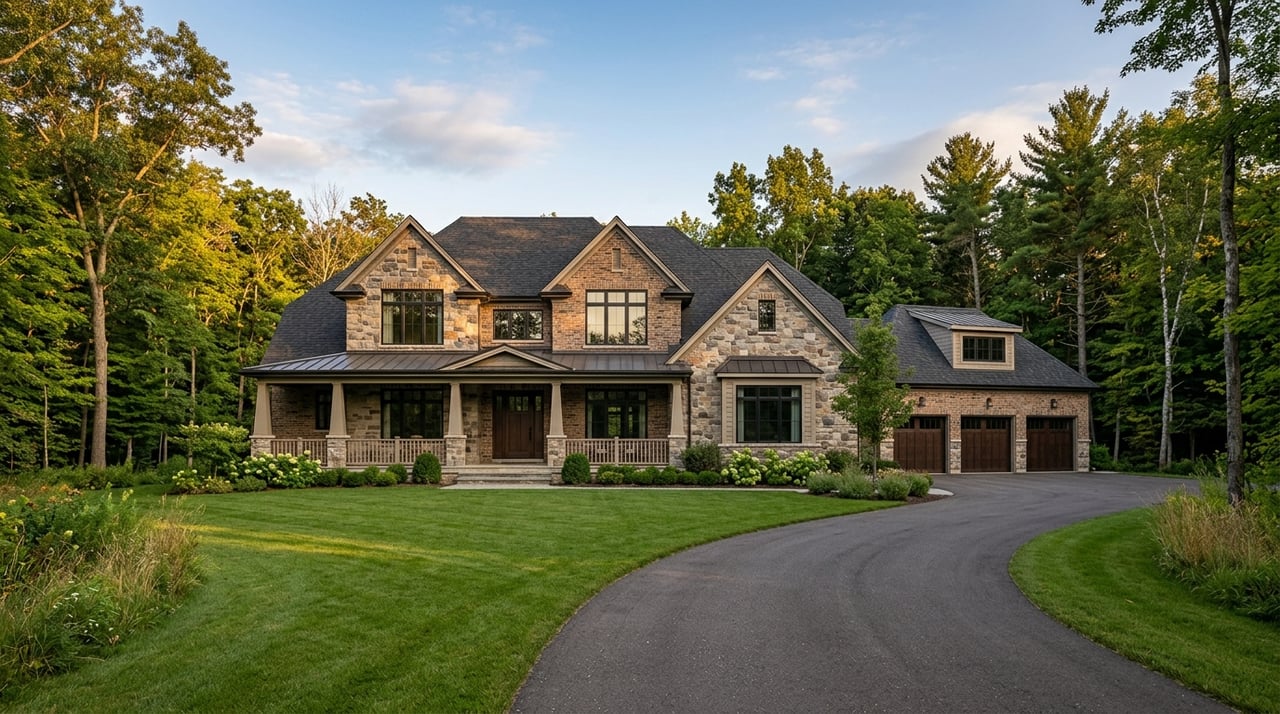
What To Know About Buying On Acreage In Milton, GA
April 16, 2026
April 16, 2026
If you are thinking about buying acreage in Milton, you are not just buying a bigger yard. You are buying into a specific land-use pattern, a rural character the city has worked to preserve, and a property type that often comes with more questions than a typical subdivision home. The good news is that when you understand the basics up front, you can make a more confident decision and avoid costly surprises later. Let’s dive in.
In Milton, acreage is closely tied to the city’s identity. According to the City of Milton’s zoning and growth information, more than 90% of land within city limits is kept in low- or very low-density residential use, with denser commercial areas focused around Crabapple and Deerfield/Highway 9.
That matters because a larger parcel here often means more than extra privacy. It may also mean rural surroundings, limited sewer access, unique zoning rules, and more responsibility for land management. Milton also notes a strong equestrian presence, with a 2024 city census finding more than 200 active horse farms, which reinforces how land use shapes the local lifestyle.
The city classifies any property of 3 acres or more as a large lot. So if you are shopping for acreage in Milton, you are stepping into a segment where the land itself can be just as important as the home sitting on it.
Before you fall in love with a property, look at zoning. Milton adopted its Unified Development Code, and for many acreage properties, AG-1 is the key district to understand.
AG-1 is intended for individual residential parcels, single-family subdivisions, agricultural uses, and closely related uses. The city’s AG-1 district summary shows these basic lot standards:
Milton also increased the minimum lot width for most future AG-1 lots from 100 feet to 150 feet at the building line in 2022 to help preserve the city’s rural look and feel. That means frontage and road type can directly affect what a parcel is worth and what may be possible later.
Lot size is only part of the picture. You also need to understand how setbacks and development standards shape usable land.
In late 2025, Milton staff reported that current AG-1 regulations require 60-foot front-yard setbacks and 50-foot rear-yard setbacks, according to a city update on AG-1 subdivision rules and lot development standards. Even when a parcel looks spacious on paper, setbacks can reduce where you can place additions, detached structures, pools, barns, or long driveways.
Milton zoning staff also notes that variances do not relieve minimum lot area or minimum lot frontage standards. In plain terms, you should never assume you can buy first and fix a lot issue later through a simple exception.
A common buyer question is whether you can split the property in the future. In Milton, that is not a simple yes-or-no question.
The city was actively reviewing AG-1 subdivision rules in early 2026, and Council had extended a moratorium on certain AG-1 subdivision applications involving three or fewer lots with resulting lots under three acres, as noted in a City of Milton notice on AG-1 applications. That means future subdivision plans should be treated as a code and process question, not as an assumption built into your offer.
If future flexibility matters to you, verify it before you close. This is especially important if you are thinking about creating an additional homesite, holding land for family use, or planning a long-term investment strategy.
Utilities can vary a lot from parcel to parcel in Milton. Fulton County says its North Fulton water system services Milton, but areas not served by public sanitary sewer systems rely on onsite sewage management systems, also called septic systems, or private wells in some cases, according to the county’s 2025 Consumer Confidence Report.
This is one of the biggest differences between acreage and a more typical neighborhood purchase. You want to know early whether the property is on sewer, septic, or well water, because that can affect inspections, future improvements, maintenance costs, and permitting.
Milton’s land-development guidance directs applicants with septic tanks or wells to contact Fulton County Environmental Health Services for permitting information. If a parcel involves an onsite sewage management system or an individual drinking water supply, Fulton County requires plan review.
Acreage ownership usually means more upkeep. That can be a good tradeoff if you want space, privacy, or room for hobby uses, but you should go in with clear expectations.
For septic systems, Fulton County recommends inspection every 3 years and pumping every 3 to 5 years, based on its pollution prevention and septic guidance. If you are buying a property with septic, service history and current condition deserve close attention during due diligence.
You should also think beyond the house itself. Driveways, drainage, tree canopy, fencing, open land, and any outbuildings can all add time and cost to ongoing ownership.
Many buyers choose acreage because they want flexibility. Maybe you want to add a barn, detached garage, pool, expanded driveway, or outdoor improvements over time. In Milton, those plans need to be checked against code before you assume they will work.
The city says land-disturbance permits are required if a project is 5,000 square feet or larger or includes land disturbance. Some proposals may also need Design Review Board approval. Milton’s inspection guidance also states that work should not move past required inspection points until the relevant inspection is approved.
That means your dream improvement plan should be part of your pre-purchase research. A parcel may look ideal at first glance, but slope, setbacks, access, septic placement, and permitting requirements can change what is practical.
Some of the details that matter on acreage do not come up in standard subdivision living. One example is open burning.
Milton says open burning rules allow it on AG-1 property only during the state’s seasonal burn-ban window and subject to local smoke-opacity and distance rules. The city also notes that non-AG-1 properties generally cannot do open burns except for limited cooking or recreational fires.
If you are planning brush cleanup, pasture work, or seasonal land management, this is the kind of practical rule that can shape how you use and maintain the property.
Acreage homes in Milton often trade differently from standard subdivision homes. Based on the city’s density controls, AG-1 standards, and parcel-by-parcel utility and development factors, the land itself can influence value just as much as the house.
In practice, important value drivers often include:
This is why two properties with similar square footage can feel very different in value. On acreage, the details behind the land matter.
If you are buying a larger parcel, tax treatment is worth asking about. The Georgia Department of Revenue’s conservation use information states that bona fide conservation-use property is assessed at 40% of its current use value, and qualifying land must remain in a qualifying use for 10 years.
Milton notes that Fulton County manages CUVA, and the city also points to conservation easements or its TDR program as possible ways qualifying land may reduce tax burden. At the same time, Fulton County assesses property annually at fair market value, and owners generally have 45 days from the assessment notice to appeal.
This is not something every buyer will use, but for larger parcels it can be an important planning conversation.
If you are serious about buying acreage in Milton, these are good questions to answer before you move forward:
The earlier you answer these questions, the easier it is to separate a truly strong acreage opportunity from a property that only looks good at first glance.
Buying on acreage in Milton is often less about finding a pretty listing and more about understanding how the parcel works. Zoning, utilities, setbacks, permitting, and future use all play a role in whether the property fits your goals.
That is where local, detail-oriented guidance can make a real difference. If you are exploring acreage in Milton and want clear help evaluating the land, the home, and the practical next steps, connect with Local Loyalty Realtors. You will get experienced, transparent support designed to help you buy with confidence.


We pride ourselves in providing personalized solutions that bring our clients closer to their dream properties and enhance their long-term wealth.