Living Near Marietta Square: Homes, Lifestyle & Tips
July 23, 2026
July 23, 2026
If you love the idea of being close to local events, restaurants, and a walkable downtown, living near Marietta Square may already be on your radar. You may also be wondering what daily life really feels like, what kinds of homes you will find, and what practical details matter before you buy. This guide will help you understand the lifestyle, housing options, and key buyer considerations around Marietta Square so you can decide whether it fits the way you want to live. Let’s dive in.
Marietta Square offers a different feel than a typical suburban neighborhood. The city describes the Square as a central gathering place, with Glover Park at the center and easy access to festivals, concerts, markets, shopping, restaurants, museums, and theatres.
For many buyers, that means your lifestyle can feel more connected to the community. Instead of driving everywhere for weekend plans, you may be close to recurring events, local dining, and public spaces that keep downtown active throughout the year.
Marietta is about 15 miles northwest of Atlanta, and the city notes that downtown Marietta is easy to reach by I-75, U.S. 41, and state routes. If you want access to both a historic downtown and major road connections, that location can be a big plus.
One of the biggest draws near the Square is the sense of activity. The city highlights festivals, concerts, markets, shopping, antiques, restaurants, museums, and theatres as part of the downtown experience, which gives the area an event-centered rhythm throughout the year.
The core also has a walkable, visitor-friendly feel. According to the city, you can explore history, neighborhoods, and tours on foot, by bike, or by trolley, which supports the idea that this area is built around getting out and enjoying your surroundings.
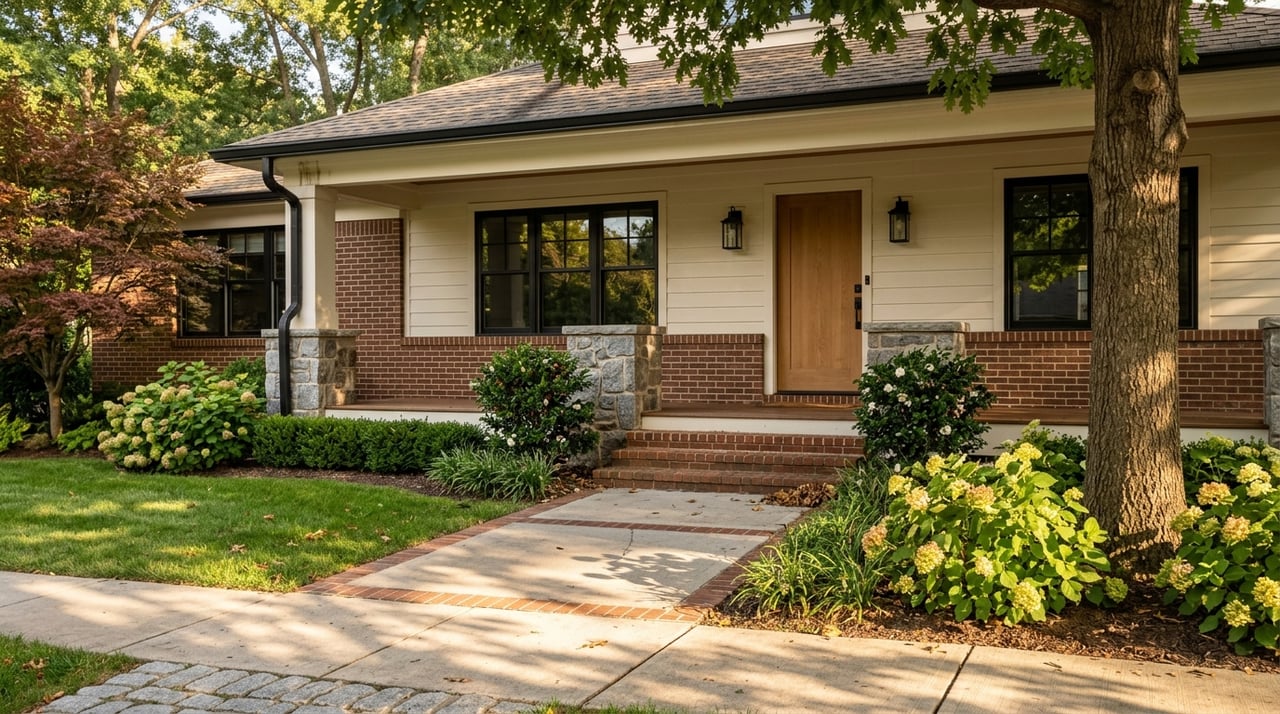
That does not mean every nearby home is in the middle of the action. Some streets close to the Square offer a more residential setting while still keeping downtown amenities within easy reach. If you want a home base with access to local activity, this part of Marietta stands out.
Food is a major part of the lifestyle near Marietta Square. Visit Marietta describes the dining scene as broad, with Southern classics, farm-to-table meals, international cuisine, coffee shops, breweries, and a food hall all part of the mix.
Marietta Square Market is one of the area’s notable food destinations near the Square. If you like having a variety of dining options nearby, that kind of setup can make everyday living feel more flexible and fun.
The Marietta Square Farmers Market also adds to the weekly routine. It runs year-round on Saturdays from 9 a.m. to noon at 41 Mill Street and averages about 64 vendors each week, which gives buyers a clear picture of how active and established the market is.
Recurring events are a big part of what makes living near Marietta Square distinct. If you enjoy being in a place where the calendar stays full, this is one of the strongest reasons to consider the area.
Some of the city’s annual or seasonal highlights include:
The city also highlights museums, three live-theatre stages, and 18 parks, including nearby Kennesaw Mountain National Battlefield Park. Together, these amenities create a downtown lifestyle that is active without feeling limited to just restaurants and shops.
Housing close to the Square is not one-size-fits-all. One of the area’s biggest strengths is variety, especially if you appreciate older homes, established streets, and architecture with character.
The city identifies five National Register Historic Districts, four locally designated landmarks, three locally designated residential historic districts, and the Downtown Marietta Historic District. That concentration of historic resources helps explain why homes near the Square often feel more distinct than homes in newer suburban developments.
Based on the city’s historic district and architectural guidance, buyers can generally expect a mix of historic detached homes, older infill streets, and some contemporary apartment or multi-family housing in town. That variety can give you more options depending on your budget, maintenance preferences, and lifestyle goals.
Several historic areas near downtown help shape the housing landscape around Marietta Square. Each has its own development pattern and architectural mix.
Washington Avenue Historic District developed from the 1830s through the 1930s. The city notes that its streets lead directly east from the Square and include Greek Revival, Queen Anne, Classical Revival, and Craftsman/Bungalow examples.
Church-Cherokee is described by the city as a first-generation suburb, with homes built mainly from the early electrification era through the mid-1900s. The city’s handbook lists in-town Marietta housing forms and styles such as bungalows, American Four Squares, Tudor Revival, ranch homes, Folk Victorian, Queen Anne, and multi-family apartments.
Forest Hills Historic District sits just a few blocks from the Square, south of North Marietta Parkway and between Cherokee Street and Cole Street. The city notes a range of styles there, including Queen Anne, bungalow, Georgian, Folk Victorian, Craftsman, Tudor, and ranch.
Whitlock Avenue Historic District extends west of downtown. According to the city, it blends small working-class houses with antebellum and Victorian mansions, along with Dutch Colonial, Classical Revival, and Colonial Revival styles.
If you are searching near Marietta Square, it helps to think beyond price and square footage. The age of the home, architectural style, lot pattern, and district location may all shape your experience as an owner.
Some buyers want a bungalow or Craftsman close to downtown activity. Others may prefer an older ranch, a historic home with period details, or in-town multi-family living with lower exterior maintenance. Near the Square, your options may be more varied than you expect.
A charming location is only part of the story. Before you buy near Marietta Square, you will want to understand a few practical items that can affect day-to-day ownership.
If you buy in one of Marietta’s protected historic areas, preservation oversight is an important consideration. The city says exterior changes, new construction, demolition, and changes to material appearance generally require a Certificate of Appropriateness.
That does not mean owning in a historic district is a problem. It does mean you should be ready to learn what is allowed before planning updates to the exterior of the home.
Parking matters when you live near an active downtown. The city notes that downtown Marietta offers many free and paid parking options, including free on-street parking in some areas and free weekend or evening access in the City Hall deck.
If walkability is important to you, parking access can still shape your daily routine and how you host guests. It is worth looking at both the home itself and the nearby parking setup as part of your decision.
If school attendance zones are part of your home search, verify them by exact address. Cobb County School District states that attendance zones are address-specific and can change.
That makes it especially important not to rely on assumptions based on a neighborhood name or general location. During your search, checking the exact address can help you make a more informed decision.
Living near Marietta Square tends to fit buyers who want a historic, event-centered downtown lifestyle rather than a purely suburban setting. If you enjoy local markets, dining options, parks, theatres, and recurring community events, this area may feel like a strong match.
It can also appeal to buyers who value housing character and established streets. If you are open to a broader mix of home ages and styles, the neighborhoods around the Square offer a level of architectural variety that is hard to duplicate in newer areas.
At the same time, the right fit depends on how you want to live day to day. If your top priorities include a central community hub, nearby amenities, and homes with personality, Marietta Square deserves a close look.
If you are exploring homes near Marietta Square and want local guidance with a clear, community-minded approach, Local Loyalty Realtors can help you search with confidence and understand your options every step of the way.
We pride ourselves in providing personalized solutions that bring our clients closer to their dream properties and enhance their long-term wealth.