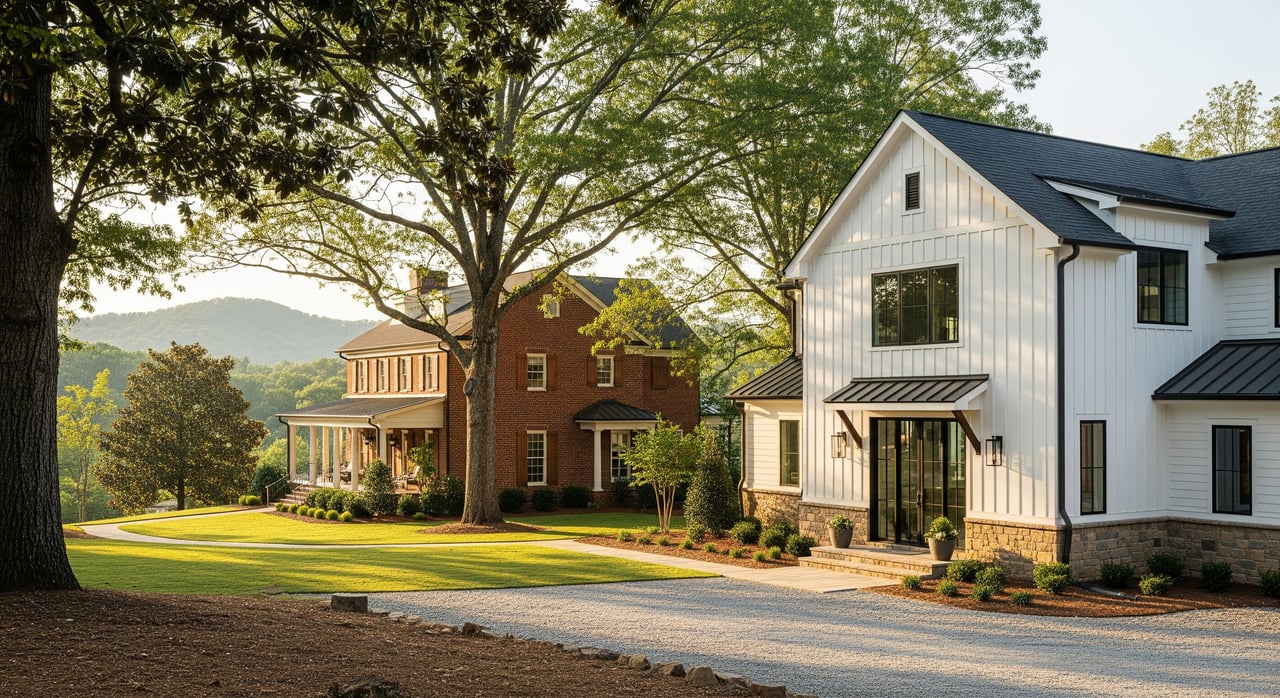
New Construction vs Resale in Woodstock: Costs & Tradeoffs
January 1, 2026
January 1, 2026
Torn between a shiny new build and a character-filled resale in Woodstock? You are not alone. The choice affects your budget, timeline, and long-term value, and the right answer depends on your priorities, not a one-size-fits-all rule. In this guide, you’ll get a clear, local-first comparison of costs, timelines, risks, and resale factors, plus a simple checklist to make a confident decision. Let’s dive in.
Woodstock buyers usually choose between newer master-planned communities on the edges of town and established neighborhoods closer to downtown, Towne Lake, and major corridors like I-575 and GA-92. Your tradeoffs often come down to location, commute access, lot size, and community amenities. Newer communities may offer modern layouts and shared amenities, while in-town resale homes often provide mature trees and proximity to shops and dining.
Because supply changes seasonally, compare current active inventory for both new and resale before you decide. Use MLS data and local records to confirm which areas are seeing more building activity, how quickly listings are selling, and how price per square foot varies by neighborhood and product type.
Key takeaway: New construction often carries a higher sticker price but lower near-term maintenance and energy costs. Resale can save upfront, but you may budget for updates.
New construction often comes with a premium for modern finishes, energy efficiency, and neighborhood amenities. Builders may also require larger deposits for lot holds and option selections. Resale homes can be priced lower, but plan for immediate repairs or modernization if systems or finishes are older. Set aside funds for inspections and any post-inspection repairs.
Builders sometimes offer closing-cost credits or temporary mortgage rate buydowns. Review the net price after incentives and compare against a similar resale. In resale transactions, you typically pay standard buyer closing costs, and you may negotiate seller credits based on inspection findings. Always compare the final, all-in numbers.
Resale homes usually use standard fixed- or adjustable-rate mortgages with a 30 to 60 day close. New construction can involve different financing paths, including construction-to-permanent loans, lot loans, or a builder’s preferred-lender program. Appraisals for brand-new homes may be complex if few comparable sales exist nearby. Evaluate incentives over the full cost of the loan, not just the monthly payment.
New homes may start with lower assessments if valuations lag behind current market prices, then adjust later. Resale properties have a tax history you can review to understand trends. Check Cherokee County assessment methods and millage rates so you know how the tax bill could change after closing.
Many new communities in Woodstock include HOAs that fund landscaping, pools, trails, and other shared spaces. Fees can be higher than in established neighborhoods without amenities. For any property, get the HOA budget, fee schedule, reserve status, and CC&Rs so you understand rules and long-term obligations.
New builds typically meet current energy codes and often include efficient HVAC, windows, and insulation, which can lower utility costs. Maintenance is also lighter in the first years because major systems are new and covered by warranty. Resale homes may require near-term replacements, such as roof, HVAC, water heater, or windows. Ask for recent utility history when available.
Insurance premiums depend more on location and risk than age alone, but new systems and roofs can help. Compare quotes for both options and ask insurers about any premium differences tied to age, roof type, and local hazard risk.
If you buy resale, you might invest in a kitchen or bath update, new flooring, or roof replacement. It can be cost-effective if you buy below market and renovate strategically. If you buy new, upgrades like flooring, countertops, and appliance packages can add up quickly. Create a capped upgrade budget and focus on changes that improve daily function and potential resale appeal.
Build times often range from 4 to 12 months, depending on permits, weather, lot prep, and customization. You will face selection windows for finishes and structural options, and deposits for those choices are typically non-refundable. Plan independent inspections at key stages if the contract allows, and use the pre-closing walkthrough to create a thorough punch list.
Resale homes can often close in 30 to 60 days, which is helpful if you need to move quickly. You will order inspections, negotiate repairs or credits, and coordinate appraisal and loan approval. This path is generally faster and has more standard contingencies.
Builder contracts may limit inspection types, restrict changes, and include arbitration or strict dispute terms. Read carefully and consider professional review before you sign. Appraisals for new homes can be tricky if there are few comparable sales. With resale, appraisers usually have more comps, but appraisal gaps can still happen in fast-moving markets.
Most reputable builders offer a limited short-term warranty for materials and workmanship, plus a longer structural warranty for load-bearing elements. Warranties usually exclude routine maintenance and cosmetic wear. Read the coverage terms, claim process, and response timelines so you know how to get issues addressed.
Verify licensing and any complaint history, review independent ratings, and request recent buyer references. Ask about punch-list policies, typical response times, and warranty claim procedures. Confirm what amenities will be delivered and when, and how control of the HOA will transition to homeowners.
Even with warranties, independent inspections are smart. Schedule a pre-drywall inspection to review framing, electrical, plumbing, and insulation as allowed by the contract. Follow up with a final inspection before closing to catch punch-list items while the builder team is still on site.
Lot quality, proximity to employment corridors like I-575 and GA-92, thoughtful neighborhood design, and community amenities all matter. Access to daily needs and outdoor spaces can also support demand. In established areas closer to downtown, walkability and mature streetscapes can be important value drivers.
New homes can command a premium thanks to open layouts and efficiency features, but short-term appreciation can be muted if many similar homes are released at once. Established neighborhoods with steady demand can see resilient pricing, especially where land is scarce. Track inventory and absorption to understand how competition may affect your exit plans.
Prioritize lot factors that support resale, such as privacy, limited road noise, and a usable yard. Corner lots, cul-de-sacs, and premium views can retain value better than standard interior lots. If you are choosing within a new phase, ask how many similar homes will be built and where amenities will sit relative to your lot.
Use this list to compare a specific new home and a comparable resale side by side:
There is no universal winner between new and resale in Woodstock. The right choice aligns your budget, timeline, and location needs with the specific property’s strengths. Compare net cost after incentives, factor in taxes, insurance, HOA, utilities, and set a realistic maintenance or upgrade budget. Then choose the home that supports your everyday life and your long-term plan.
If you want a clear, side-by-side comparison tailored to your favorite neighborhoods, we can help. Our local team pairs real MLS data with transparent guidance and a commission rebate program that can return up to 20 percent of our buyer-side compensation where allowed, which you can use to lower closing costs or donate to a local cause. Let’s make a smart move that also gives back with Local Loyalty Realtors.

We pride ourselves in providing personalized solutions that bring our clients closer to their dream properties and enhance their long-term wealth.