Midtown Atlanta High-Rise Living: Is It a Good Fit?
July 16, 2026
July 16, 2026
If you are wondering whether a Midtown Atlanta high-rise would feel exciting or exhausting, you are not alone. Urban living can look glamorous online, but your real daily routine is what matters most. In Midtown, that routine often means less time driving and more time walking to dinner, green space, transit, and cultural destinations. If you want a clearer picture of what life there actually feels like, let’s dive in.
Midtown Atlanta stands out because so much is packed into a compact area. According to Midtown Alliance, the district includes more than 150 dining options, major retail and business activity, hotels, parks, and residences across a highly connected urban core.
For many residents, that means your day can feel flexible and efficient. You may step out of your building for coffee, walk to dinner after work, or meet friends near a park or arts venue without planning your whole evening around traffic.
A big reason people are drawn to Midtown is convenience. Midtown Alliance describes it as one of Atlanta’s most walkable and connected districts, with 120 blocks that can be explored on foot and more than 5 miles of bike lanes.
That kind of setup changes how you use your time. Instead of spending your free hours in the car, you may find yourself walking a few blocks for errands, grabbing a quick meal nearby, or heading out for entertainment on short notice.
Midtown has a strong restaurant and social scene, and it is one of the lifestyle features people notice right away. In addition to the district’s 150-plus dining options, Colony Square adds another cluster of restaurants and Politan Row food hall, giving residents more choices within a short distance.
If you like variety, this can be one of the biggest perks of high-rise living here. A casual weeknight dinner, drinks with friends, or a last-minute meal out can feel easy when options are just a short walk away.
Midtown is not only about towers and busy streets. It is also a major arts and parks district, which gives the neighborhood a more balanced feel than some people expect.
Midtown Alliance highlights major attractions such as the Woodruff Arts Center, the High Museum of Art, the Fox Theatre, MODA, the Center for Puppetry Arts, and more than 100 public art pieces within a walkable square mile. The Woodruff Arts Center is also home to the Alliance Theatre, the Atlanta Symphony Orchestra, and the High Museum of Art.
For many people, outdoor access is a key part of the Midtown appeal. The Atlanta Botanical Garden describes itself as an urban oasis in Midtown, and it sits next to Piedmont Park, one of the area’s most recognizable green spaces.
The Atlanta BeltLine Eastside Trail also begins at the tip of Piedmont Park and runs to Reynoldstown. For Midtown residents, that creates an easy route for walking or biking south and east, which adds another layer of convenience to daily life.
Midtown tends to stay active throughout the day because it has more than just residential buildings. Midtown Alliance notes that the area has a large daytime population of workers and students, which helps the district feel busy and engaged beyond traditional office hours.
That activity can be a plus if you enjoy being in the middle of things. Streets, restaurants, parks, and public spaces often feel used and connected, rather than quieting down as soon as the workday ends.
Living in a Midtown high-rise often means trading space for access. You may have a smaller footprint than you would in a suburban home, but your building and neighborhood can function as an extension of your living space.
That tradeoff works well for people who value convenience. When dining, transit, fitness options, parks, and entertainment are nearby, you may not need as much private space to support your routine.
One of Midtown’s biggest advantages is transit access. MARTA says Midtown Station is on the Red and Gold lines, offers very limited daily parking, and is the closest station to Piedmont Park.
Several residential buildings are also within a short walk of rail. Midtown Alliance notes that Aqua Midtown is a short walk from Midtown Station, The Dagny Midtown is about 0.3 miles from Midtown Station, Juniper & Fifth is about 0.4 miles from Midtown and North Avenue stations, and Windsor at Midtown is about 0.4 to 0.6 miles from Midtown and Arts Center stations.
For you, that can mean more choices in how you get around. Some residents still keep a car, but Midtown can make car-light living feel realistic in a way that many other areas do not.
Georgia Tech is part of Midtown’s daily flow. Georgia Tech says Midtown’s proximity allows people to walk, bike, or take the Gold Route to campus, which contributes to the area’s appeal for students, faculty, and nearby professionals.
That helps explain why Midtown often feels active across different times of day. The mix of residents, workers, and students creates a steady neighborhood rhythm rather than a single-purpose business district.
In a Midtown high-rise, your routine can become more compact. Midtown Alliance notes that residents are close to greenspace, arts, shopping, and dining, and several buildings place retail or restaurant space on the ground floor or nearby.
That mixed-use setup can make everyday life feel simpler. A normal evening might include a short walk home, dinner nearby, and a stop at a park or show, rather than a drive across town for each part of your night.
There is no single Midtown high-rise experience because building styles and floor plans vary. The area includes both condos and apartments, with different sizes, layouts, amenities, and ownership structures.
Still, there are some common patterns. Midtown homes in towers often prioritize efficient layouts, natural light, views, and amenity access over the larger square footage you might expect in a suburban property.
Midtown Alliance’s residential map shows a wide range of buildings, and individual properties illustrate the variety. The Dagny Midtown offers studio, one-, and two-bedroom homes plus three-bedroom penthouse suites, while Windsor at Midtown offers studio, one-, and two-bedroom apartments.
Juniper & Fifth features condo homes with open floor plans and large terraces, and Aqua Midtown highlights generous floor plans and floor-to-ceiling windows. In practical terms, many Midtown high-rises are designed around compact-to-mid-sized living with a strong emphasis on light, views, and function.
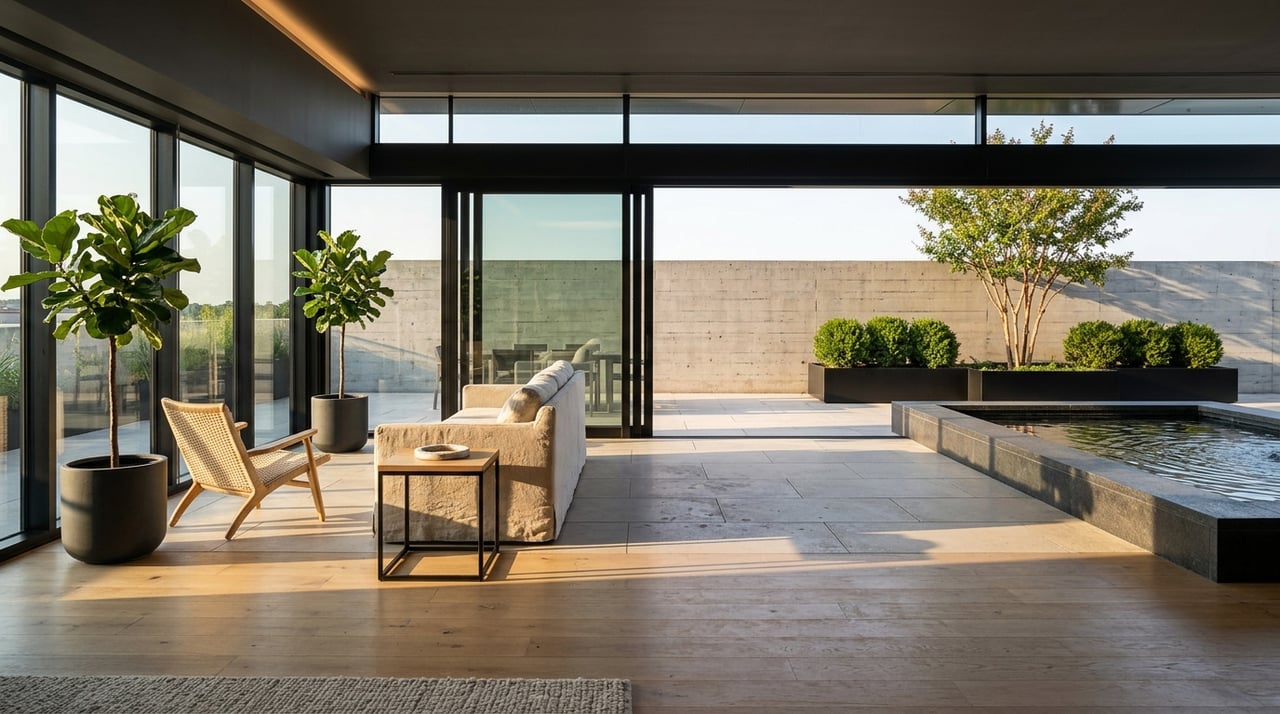
Amenities are a major part of the value proposition in many buildings. Common examples in Midtown include pools, fitness centers, concierge or lobby-attendant service, package retrieval, controlled access, covered or underground parking, clubrooms, and rooftop lounges.
Some buildings offer even more specialized features. Juniper & Fifth lists a pet spa and conditioned storage, Windsor at Midtown lists a lap pool, bike rentals, and a cyber café, and Aqua Midtown emphasizes direct elevator access and privacy.
If you are thinking about buying rather than renting, condo ownership in Midtown usually comes with another layer of decision-making. Your mortgage is only part of the monthly cost, and building policies can shape your experience as much as the unit itself.
That does not make condo living harder, but it does mean you should compare buildings carefully. Two towers that look similar from the outside can have very different dues, rules, and long-term costs.
For condo buyers, monthly dues are typically separate from the mortgage payment. The research report also notes that HOA boards maintain common areas and establish rules, while governing documents set fees and restrictions.
In simple terms, owning in a Midtown high-rise often means paying monthly dues, following association rules, and understanding what the building covers before you commit. That could affect your budget, your use of amenities, and everyday policies around the property.
Before buying a Midtown condo, it is smart to verify a few basics:
These details matter because amenity-rich buildings can come with very different cost structures and policies. A careful review can help you avoid surprises after closing.
For many buyers, the real question is not whether Midtown is good or bad. It is whether the Midtown lifestyle fits the way you want to live.
Compared with a suburban house, a Midtown high-rise often means less private outdoor space and less independence from building rules. In return, you may gain walkability, shared amenities, easier access to dining and culture, and a more connected urban routine.
Midtown can be a strong fit if you value being close to restaurants, parks, arts destinations, and transit. It may also appeal to you if you prefer a home base that feels low-maintenance compared with a detached house.
On the other hand, if your top priorities are a larger footprint, a private yard, or more separation from neighbors and association rules, suburban living may feel more comfortable. The best choice depends on which daily tradeoffs matter most to you.
If you are comparing Midtown with North Atlanta options, it helps to look beyond square footage alone. The bigger question is how you want your everyday life to feel.
When you are ready to weigh Midtown against other Atlanta-area options, Local Loyalty Realtors can help you compare neighborhoods, property types, and costs with clear, local guidance.
We pride ourselves in providing personalized solutions that bring our clients closer to their dream properties and enhance their long-term wealth.